
OTC (over-the-counter) medications. Find out which medications you can buy without a prescription.
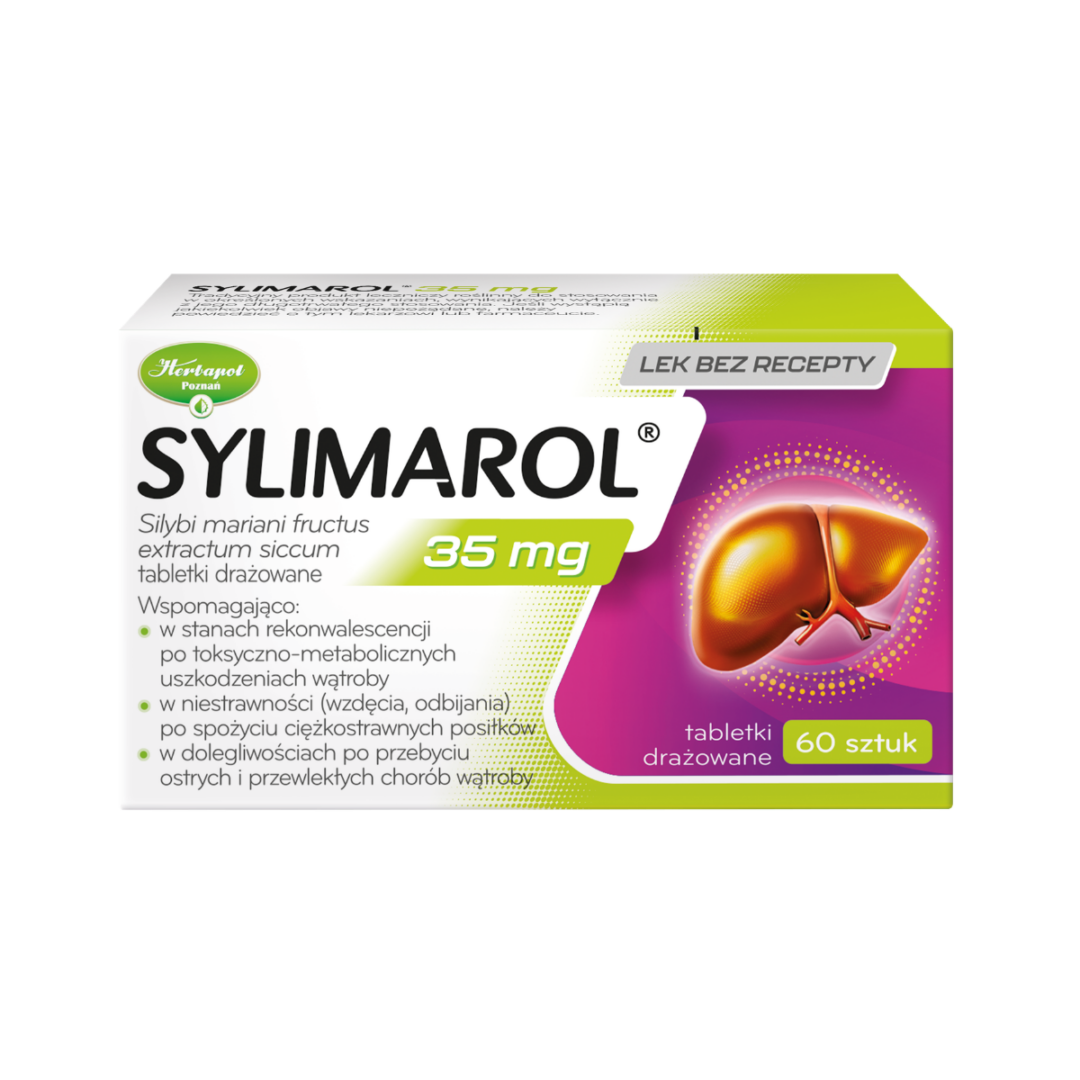
 Over-the-counter (OTC) medications
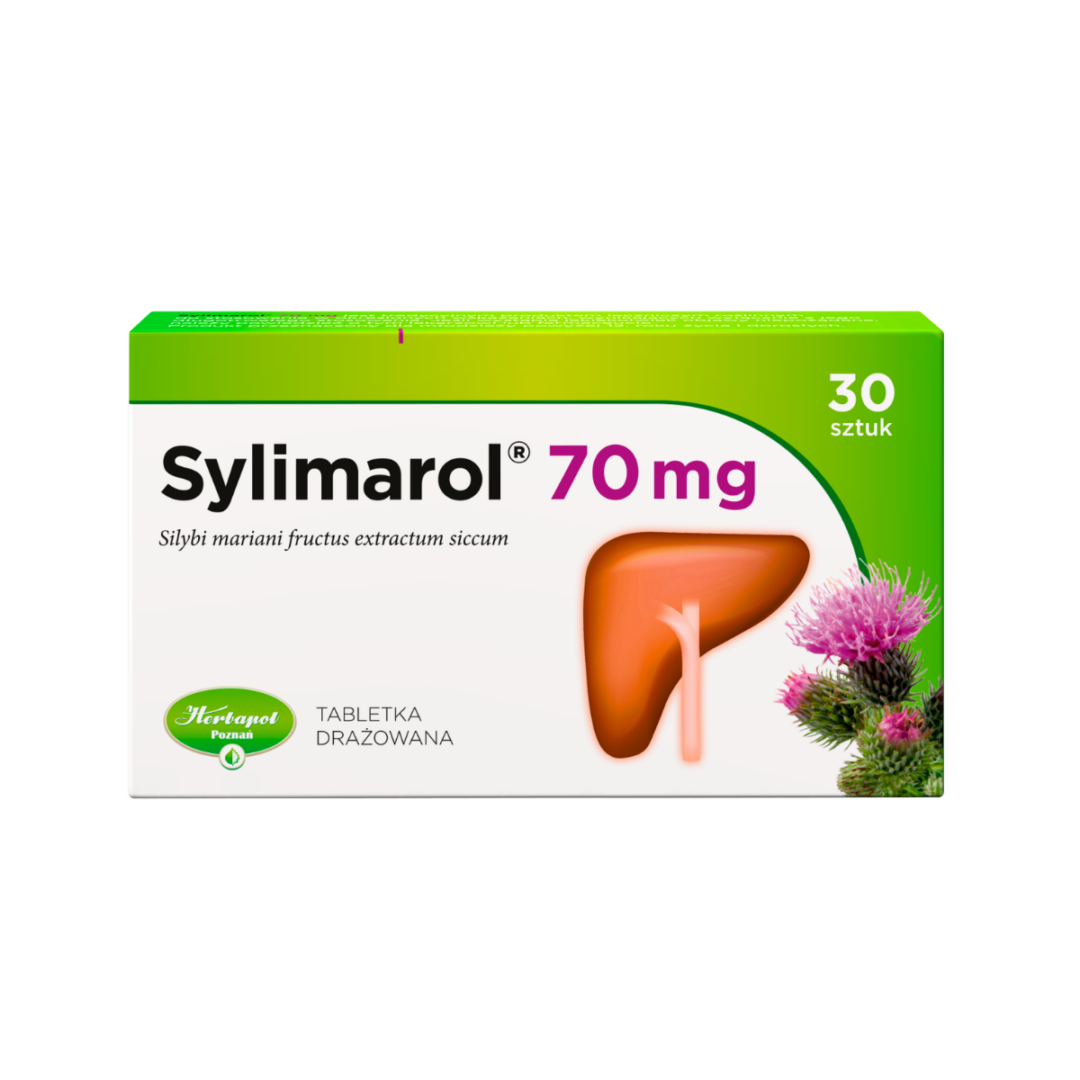 Over-the-counter (OTC) medications
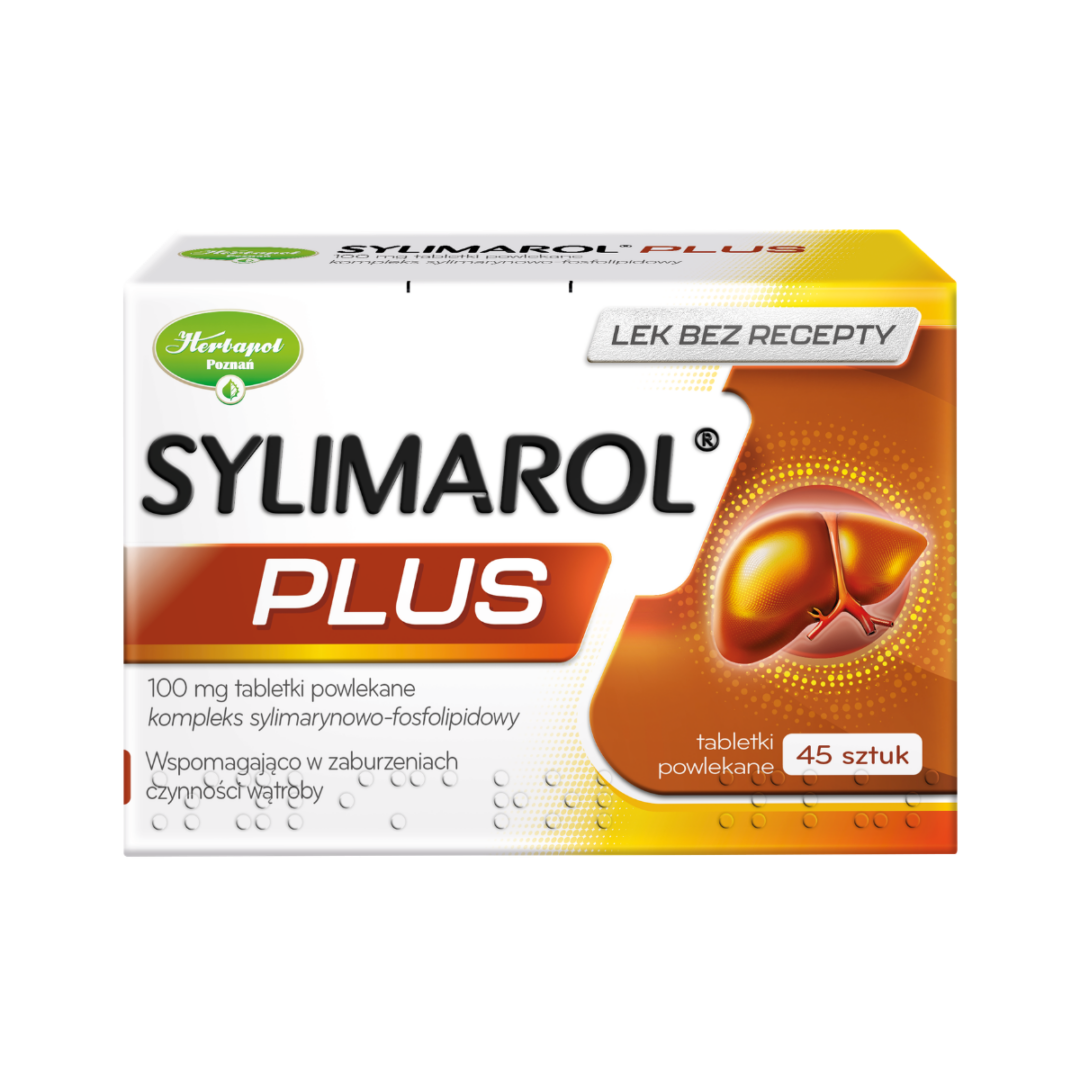 Over-the-counter (OTC) medications
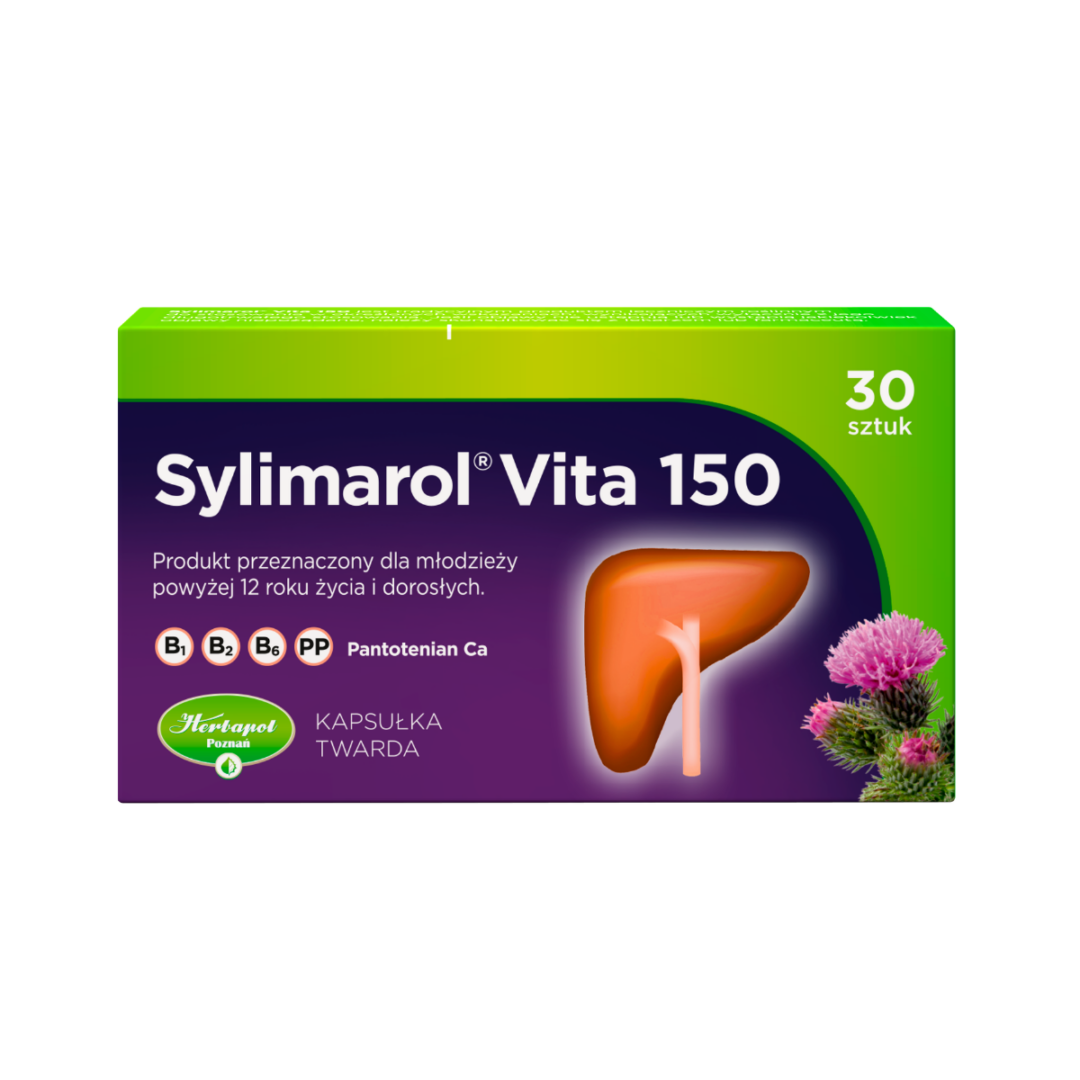 Over-the-counter (OTC) medications
 Over-the-counter (OTC) medications
Over-the-counter medications are products that can be purchased at a pharmacy without a prescription. Their availability means they are widely used both for mild, temporary ailments and in situations where the body needs support for longer-lasting symptoms. OTC medications allow for a quick response to emerging symptoms and can be part of the treatment for certain chronic conditions, in accordance with their intended use. At the same time, they should be used responsibly and in accordance with the information provided in the package insert, as even over-the-counter products require proper dosing and duration of use.
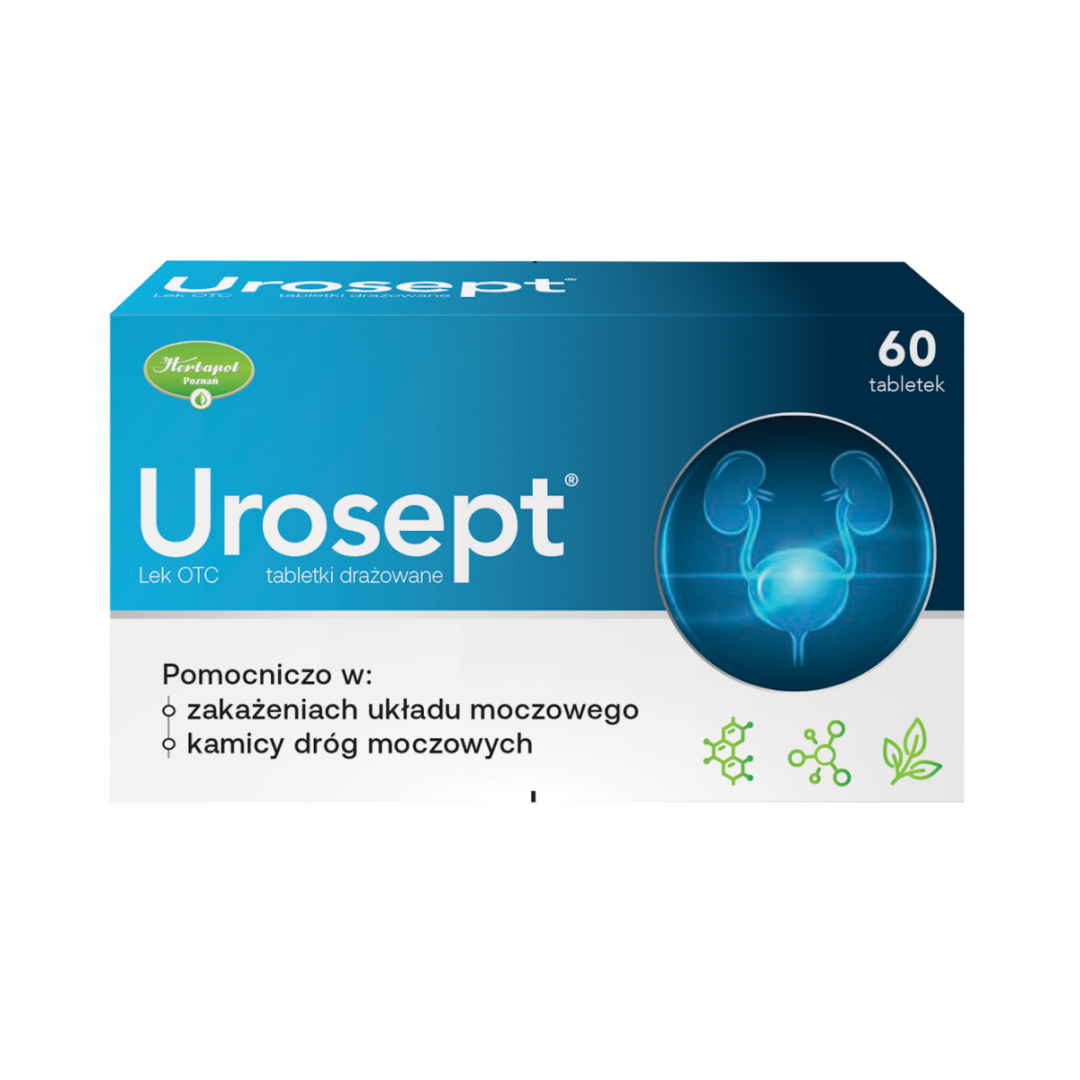
Over-the-counter medications are available to address a variety of health needs. Among the available products are solutions that support the functioning of the urinary, digestive, and circulatory systems, as well as preparations for topical application to the skin or mucous membranes. This allows you to choose an OTC medication tailored to your specific situation and individual preferences regarding the form of administration. The products available in this category can be organized by their areas of application. The selection offered by the manufacturer Herbapol includes, among others:
With such a wide selection, you can choose OTC medications tailored to your specific needs and use the available options in a way that suits your situation.
Herbapol’s product line also includes OTC medications used in other, more specific situations. Among them are products that support the body during periods of weakness or increased need for certain nutrients. Examples include Alliiofil® enteric-coated OTC tablets, used to support immunity and treat colds, and Glukoza, used to treat low blood sugar.
Stomach drops that support digestive processes are also available, as well as products such as Pedipur, which is used to treat excessive sweating. The product line is rounded out by products for coughs, such as Althan® marshmallow root syrup. As a result, when choosing an OTC medication, you can find a product suited to a wide variety of situations that may arise in daily life.
The product line also includes over-the-counter medications for topical use that support the body in specific areas. These are products used for skin conditions, oral health issues, or situations requiring direct action at the site of application. Their forms—ointments, gels, or solutions—allow for convenient application and enable users to tailor their use to individual preferences. This group includes, among others:
In this way , the OTC medication allows for precise action at the site of discomfort, which can be important in everyday use.
Although OTC ointments, syrups, and tablets are readily available, their use requires a responsible approach. It is important to read the information in the package insert and follow the recommendations regarding dosage and duration of use. All OTC medications have a specific purpose, so their selection should be tailored to the specific situation and type of ailment. An informed approach not only enhances safety but also ensures the product is better suited to your current needs. Considering the formulation, ingredients, and mechanism of action helps you make decisions that support your body’s daily functioning.
Availability does not mean that you can skip a medical consultation in every situation. OTC medications are primarily intended for use in treating mild symptoms; however, if symptoms persist or worsen, it may be necessary to consult a specialist. A visit to the doctor or a consultation with a pharmacist allows you to assess the cause of your symptoms and choose the appropriate course of action. When choosing OTC medications, the product should always be taken according to the manufacturer’s instructions. This approach helps avoid situations where the treatment does not produce the expected results. Properly identifying the cause of your symptoms and tailoring your treatment to your current health status is an important part of taking care of your body.
Choosing the right medication is not only a matter of its intended use, but also the form in which it is available. When choosing an OTC medication, the product may come in the form of tablets or capsules, as well as ointments, gels, drops, or syrups. Each of these forms has its own specific use and can affect the convenience of use and how the product works.
Choosing a medication form that suits your preferences and the nature of your condition can be important for consistent use. It’s worth paying attention to the method of administration, frequency of use, and ease of use. This makes it easier to incorporate an OTC medication into your daily routine and use it as intended, without unnecessary difficulties.
The use of over-the-counter (OTC) medications is often linked to daily habits that can affect your comfort and overall well-being. OTC medications provide support, but their effects should be complemented by appropriate lifestyle choices. Factors such as regular meal times, staying hydrated, maintaining good hygiene, and engaging in physical activity—depending on the type of ailment— are important. This means that choosing a product should go hand in hand with a mindful approach to daily habits. This combination allows you to make better use of the available products and support your body in a way tailored to your individual needs, without relying excessively on the supplements alone.
Over-the-counter medications are an important part of everyday health care. Thanks to their availability and wide range of uses, they allow you to respond to emerging ailments quickly and in a way tailored to the situation. Their role is to support the body and improve your quality of life, but always within the framework of specific indications and recommendations. An appropriate approach to their use—taking into account both the nature of the ailment and the information in the package insert— allows for the informed use of these products. As a result, over-the-counter medications can provide practical support in many everyday situations.


