
 Over-the-counter (OTC) medications
Bladder tablets are most commonly chosen for urinary tract-related symptoms, such as discomfort during urination, more frequent trips to the bathroom, or a feeling of pressure on the bladder. This category includes products intended for adjunctive use in urinary tract infections and urinary tract stones. These products are available in tablet form, which makes it easy to use them according to the instructions in the package insert. When choosing medications, it is important to consider the nature of the symptoms, the user’s age, and the manufacturer’s recommendations.
Urinary tract issues can be triggered by various factors in daily life. Hydration, hygiene, the body’s immune system, and urination habits all play a role. Discomfort may occur after the body gets cold, when fluid intake is insufficient, or when the bladder is held for too long. It’s important to pay attention to these situations, as their recurrence can affect the proper functioning of the urinary system.
Factors that may contribute to bladder problems include, among others:
If you are experiencing discomfort, a burning sensation, or a bladder infection, these tablets can help improve your daily comfort. You should always use them in accordance with the product’s intended use and the information provided in the package insert prepared by the manufacturer.
Symptoms involving the bladder and urinary tract can be bothersome, even if they are mild at first. The most common symptoms include a more frequent urge to urinate, a burning sensation, a feeling of pressure, or discomfort in the lower abdomen. Sometimes there is also a change in the odor or appearance of the urine. These signs should not be ignored, especially if they persist, worsen, or recur after a short time. A prompt response allows for better management of the condition and ensures greater comfort.
Symptoms that may accompany urinary tract disorders include:
If symptoms worsen, or if you develop a fever, pain in the kidney area, or blood in your urine, you should consult a doctor. Over-the-counter medications may be used as an adjunct only in accordance with their intended uses.
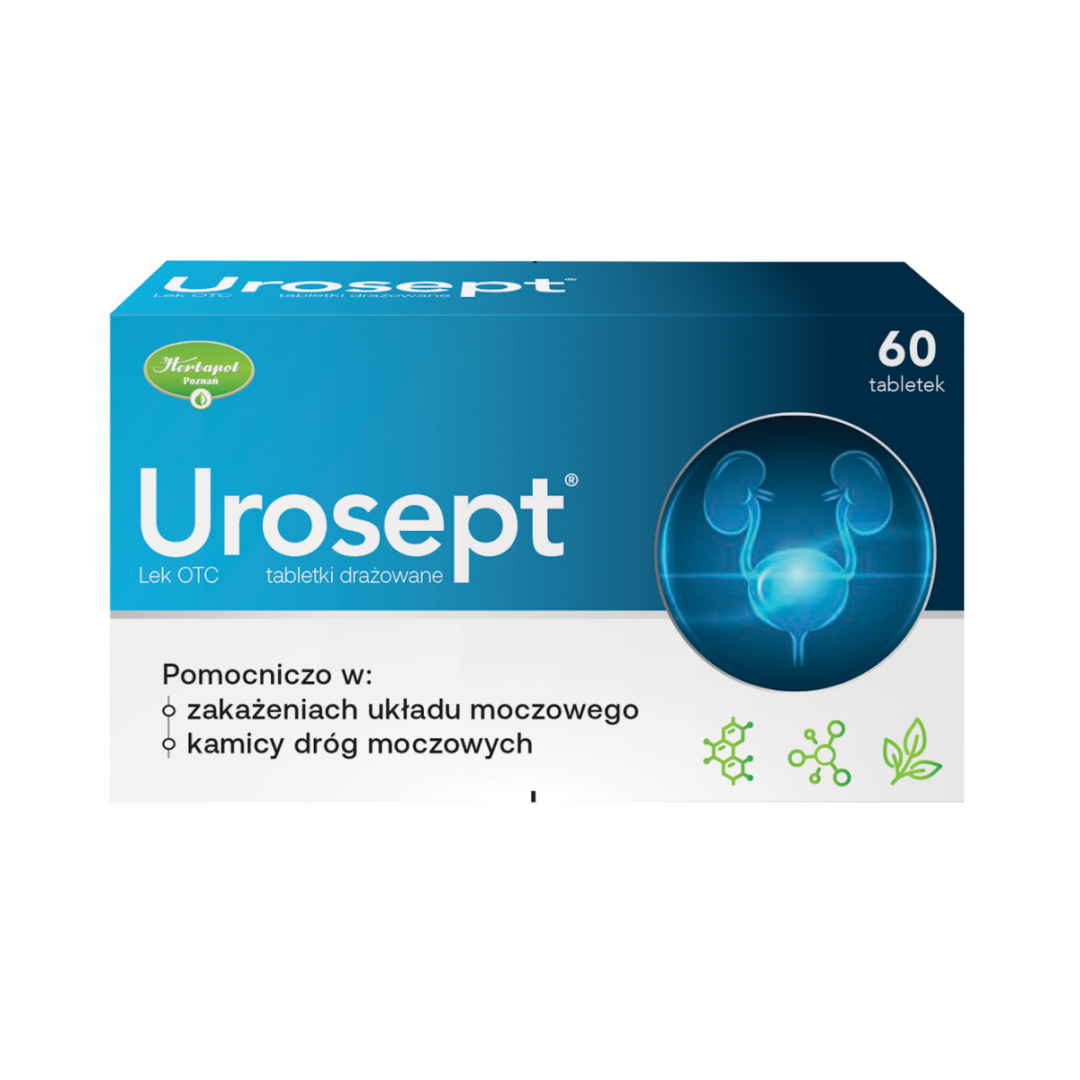
Are you looking for advice on which medication to use for cystitis? Urosept® is available in packages containing 30 or 60 tablets. Both products are over-the-counter (OTC) medications. The difference between the two options is the number of tablets per package, allowing you to tailor your choice to your individual needs and the planned duration of use. The smaller package may be convenient for shorter-term use, while Urosept with 60 tablets is practical when you want to limit how often you have to repurchase the product.
Urosept®is used as an adjunctive treatment for urinary tract infections and urinary tract stones. This indication requires a responsible approach— the product should be taken in accordance with the package insert, without exceeding the recommended dosage and without treating it as a substitute for medical consultation in situations requiring diagnosis. If you have any doubts regarding its use, consult a pharmacist or doctor.
Urosept® is a compound product containing a blend of plant-based ingredients and citrates. The ingredients include, among others, birch leaf, parsley root, and bean pericarp—raw materials used in formulations that support urinary tract function. It also contains chamomile, which is associated with gentle support for the body’s comfort, and lingonberry leaf, used in products designed for the urinary tract. The formula is supplemented with potassium and sodium citrates.
These carefully selected ingredients, which include bladder medications, are consistent with the nature of a product intended for adjunctive use. However, it is important to remember that the fact that the ingredients are plant-based does not exempt you from following the instructions. All bladder supplements have specific indications, contraindications, and directions for use. Before use, read the package insert, especially if you are taking other medications (e.g., liver medications), have chronic conditions, or experience recurrent urinary tract symptoms.
If you are taking Urosept® over-the-counter bladder tablets, the dosage should be in accordance with the information provided in the package insert. Adults and children over 12 years of age should take 2 tablets orally 3 times a day with a glass of water, or as directed by a doctor. Do not increase the dose or extend the duration of use on your own, contrary to the manufacturer’s instructions. For children under 12 years of age, the appearance of urinary tract symptoms requires consultation with a doctor. This is particularly important because in younger children, symptoms may develop more rapidly and require a different course of treatment than in adults. Over-the-counter tablets for cystitis and other conditions—such as medications for constipation—should be selected based on the age, specific indications, and overall health of the person taking them.
Urinary tract issues can quickly affect your daily comfort, so it’s important to pay close attention to the first signs. A burning sensation, more frequent urination, or a feeling of urgency may seem mild at first, but if they persist, they require a sensible approach. Over-the-counter bladder pain relievers can provide relief in the situations described in the package insert, especially when taken as directed and in a timely manner. At the same time, it’s important to stay hydrated, empty your bladder regularly, and limit irritants. If symptoms worsen, or if you develop a fever, pain in the lower back, or blood in your urine, you need to see a doctor immediately, as treatment other than over-the-counter bladder pain relievers may be necessary.
Over-the-counter bladder tablets can be a practical addition to a home medicine cabinet, especially for people who want to respond quickly to the first signs of urinary tract discomfort. However, it’s important to remember that simply having the medication on hand does not mean it can be used indiscriminately. Just like medications for hemorrhoids and other common ailments, products that support the urinary tract should be selected based on the specific situation, the user’s age, and the information provided in the package insert. Before use, check the expiration date, review the product’s intended use, and ensure that it corresponds to your current symptoms. It is good practice to store the medication in its original packaging, along with the package insert, away from moisture, light, and out of the reach of children. This makes it easier to use the product safely when needed.


