
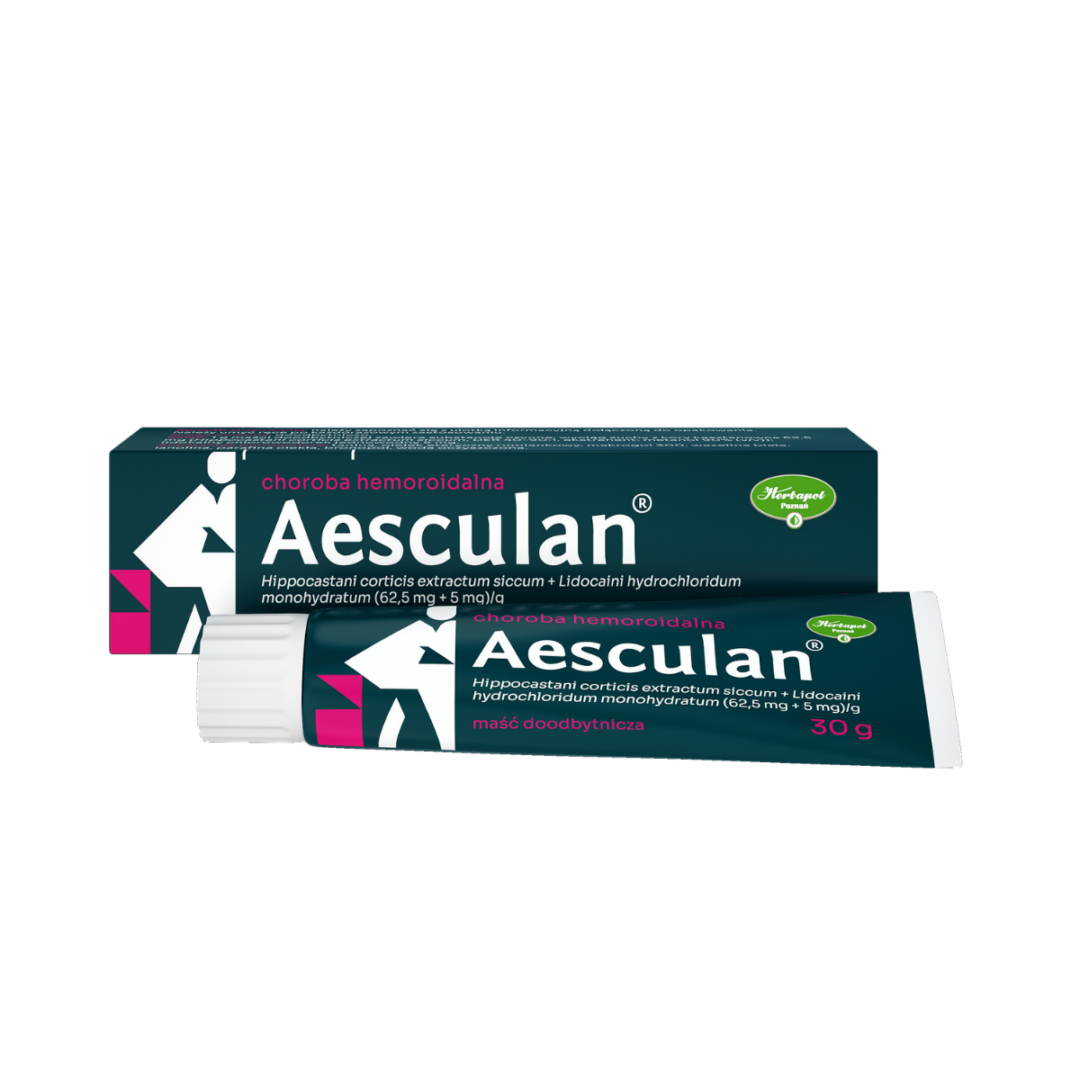
 Over-the-counter (OTC) medications
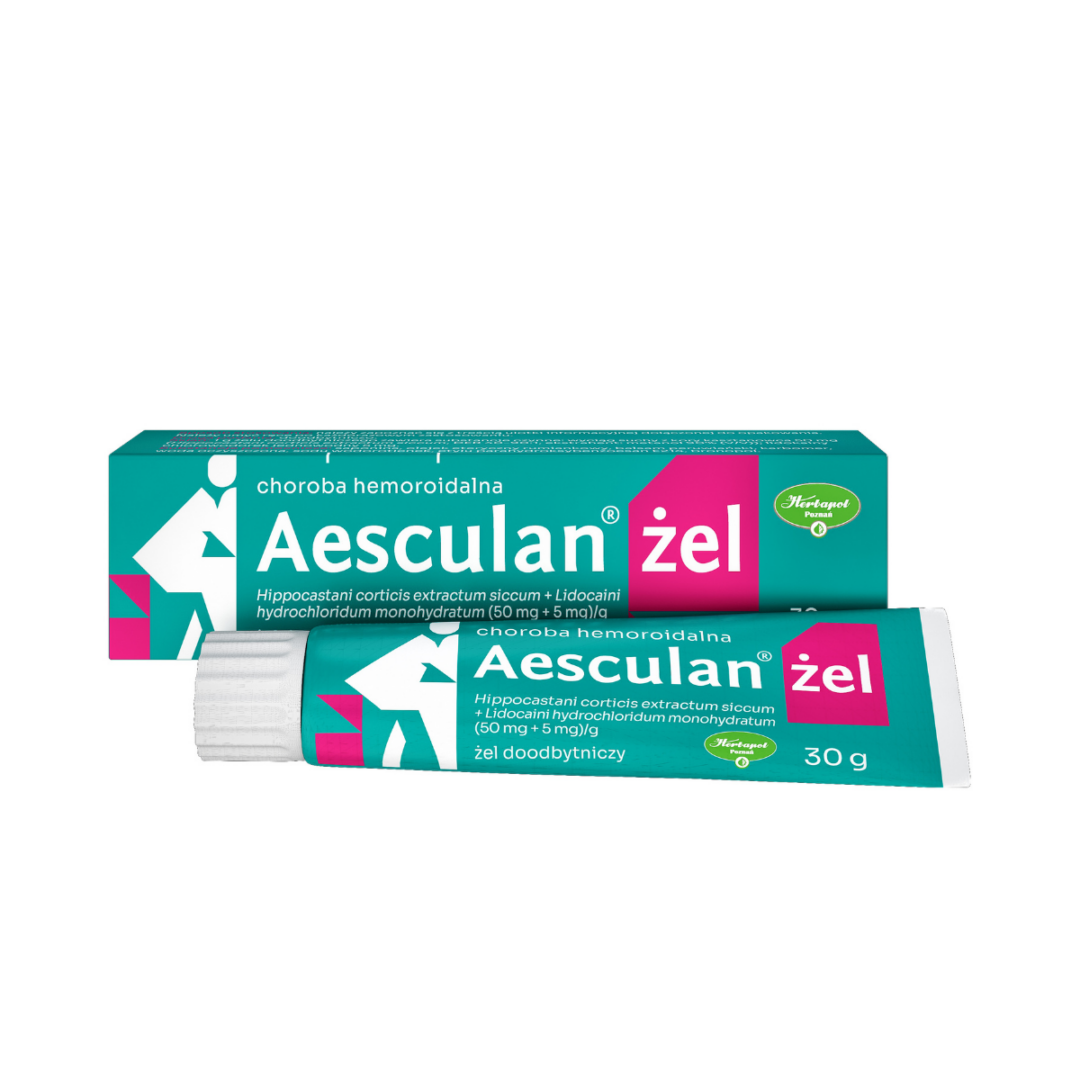 Over-the-counter (OTC) medications
Over-the-counter hemorrhoid treatments are a group of products used as a supplementary treatment when discomfort occurs in the anal area, such as itching, burning, or a sensation of irritation. Hemorrhoids, or varicose veins, are a natural part of the body’s anatomy, but their enlargement can lead to unpleasant symptoms. This problem is often linked to lifestyle, diet, and factors that contribute to increased pressure within the blood vessels. Medications for anal hemorrhoids can help alleviate symptoms, but they should be used as directed and as part of a broader approach to health.
The development of hemorrhoids is a gradual process and is most often associated with prolonged strain on the blood vessels in the anal region. The most common contributing factors include a sedentary lifestyle, lack of physical activity, a diet low in fiber, and recurrent constipation. These factors cause the blood vessels to dilate and impede blood flow, which can lead to the enlargement of hemorrhoids. Symptoms can vary in severity—from mild discomfort and a sensation of moisture, through itching and burning, to pain or bleeding during bowel movements. This is precisely why it is so important to act quickly and provide the body with the necessary support—which hemorrhoid medications offer—before the problem worsens.
Over-the-counter hemorrhoid treatments are available in various forms, allowing you to choose the one that best suits your symptoms and personal preferences. Choosing the right form is important for both ease of use and the product’s effectiveness. Over-the-counter hemorrhoid treatments are most commonly available as:
The choice of the appropriate form should depend on the type of condition and the recommendations in the package insert, which allows for a more informed use of the product. The pharmaceutical manufacturer Herbapol Poznań offers over-the-counter hemorrhoid treatments in the form of ointments, as well as medications for the bladder, liver, and constipation.
Medications for anal hemorrhoids may have varying compositions, which can include both plant-based substances and other ingredients that support blood vessel health. Their purpose is to support the body during periods of increased strain and to improve comfort in daily life. Medications for hemorrhoids may contain, among other things:
When choosing a supplement, one should consider its ingredients and intended use, as well as the body’s individual needs.
When it comes to this condition, daily habits that can affect the severity of symptoms are of great importance. One of the most important factors is diet—an adequate amount of fiber supports healthy bowel function and reduces the risk of constipation. It is equally important to stay hydrated and avoid sitting for long periods, which can increase pressure on the blood vessels. It’s also worth paying attention to:
Such measures can support the body and reduce the risk of symptoms worsening, serving as an important complement to over-the-counter hemorrhoid treatments.
Over-the-counter hemorrhoid medications should always be used in accordance with the information in the package insert and the manufacturer’s instructions. For topical treatments, it is important to maintain proper hygiene and apply the medication regularly. Oral medications, on the other hand, require adherence to the recommended dosage. Keep in mind that medications for anal hemorrhoids are intended for supportive treatment and do not replace a medical consultation in cases of severe symptoms. If in doubt, it is advisable to consult a pharmacist, who can help you choose the right product.
When choosing a treatment for hemorrhoids, it’s important to consider whether the symptoms are external or internal.
This distinction has practical significance because it influences the choice of dosage form. For external symptoms, topical preparations are more commonly used, while for internal ailments, other forms of support are chosen. Matching the product to the type of symptoms allows for a better response to the body’s current needs.
Although hemorrhoids are a common condition, there are situations in which it is necessary to consult a doctor. This applies primarily to cases where symptoms persist for a long time, worsen, or are accompanied by bleeding. The sudden onset of severe pain or a change in the nature of the symptoms should also prompt a visit to a specialist. A doctor can assess your condition and recommend an appropriate course of treatment tailored to the severity of the problem. In such situations, over-the-counter hemorrhoid medications may not be sufficient.
The choice of a hemorrhoid treatment should be well-considered and based on an analysis of the product’s ingredients, form, and intended use. These treatments can help alleviate symptoms, but they should be used as directed and viewed as part of a broader approach to the problem. Equally important are daily habits that affect how the body functions. Combining a conscious choice of treatment with attention to diet, hydration, and physical activity allows you to better ensure your comfort and reduce the risk of recurrence.
When it comes to hemorrhoid treatments, not only the choice of product but also the method of use plays an important role. The regularity of application or use is important for maintaining continuous support for the body and can affect your level of comfort. Irregular use may limit the product’s effectiveness and make it difficult to assess its suitability in a given situation. It’s also worth remembering that every product should be used according to the manufacturer’s instructions, both in terms of dosage and duration of use. If in doubt, it may be helpful to consult a pharmacist, who can help tailor the usage to your individual needs.


