
 Over-the-counter (OTC) medications
Over-the-counter (OTC) medications
Over-the-counter (OTC) medications
Many people turn to constipation medication when they experience difficulty having a bowel movement or digestive discomfort. These problems can have various causes—ranging from an unhealthy diet and insufficient hydration to a sedentary lifestyle or stress. Although these issues are often temporary, they can recur in some people and affect their daily well-being. In such cases, over-the-counter constipation medications and other products available at pharmacies can provide relief, but they should be used responsibly and in accordance with the instructions.
Constipation medications can work in different ways, depending on their composition and intended use. Some medications increase the bulk of stool, others help retain water in the intestine, and still others support natural intestinal peristalsis. When choosing a medication for bloating and constipation, your choice should depend on the cause of the problem and your body’s individual needs. This means there is no single, universal remedy that will work for everyone. That is why it is so important to take an informed approach to choosing a product and to read the information in the package insert. This will help you better tailor your choice of constipation medication to your current situation and avoid unwanted side effects.
Over-the-counter constipation medications may contain various groups of ingredients that work by supporting the body’s natural bowel function. Depending on the mechanism of action and the product’s intended use, the composition may include both plant-based ingredients and substances that affect hydration or the volume of intestinal contents. When choosing a constipation medication for adults, the selection of the appropriate product should be based on the nature of the symptoms and the information provided in the package insert. Ingredients commonly found in these types of products include, among others:
Each of these groups works differently, so a constipation medication should always be used as intended and in accordance with the manufacturer’s instructions. If symptoms persist or if longer-term use is necessary, it is advisable to consult a specialist who can help determine the appropriate course of action.
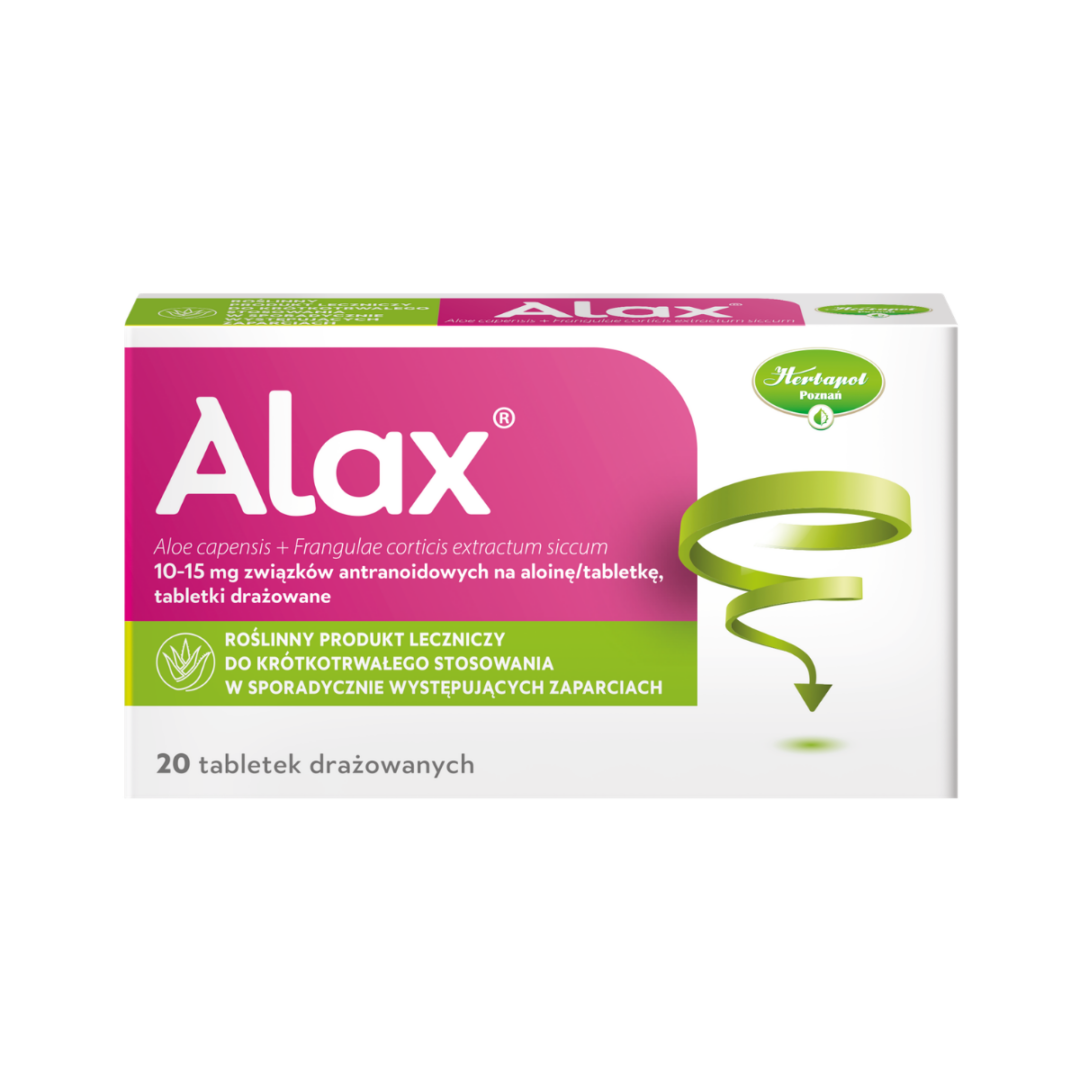
When choosing a medication for bloating and constipation, it’s important to consider not only its ingredients but also the form in which it’s available. These products come in the form of tablets, capsules, water-soluble powders, syrups, or herbal teas. Each of these forms has its own advantages and may be better suited to the user’s individual preferences. For some people, tablets may be more convenient, as they can be easily incorporated into their daily routine; others, on the other hand, may prefer a liquid medication or one that can be mixed into a drink to treat constipation. Regardless of your choice, it is important to use the product regularly and follow the instructions in the package insert, as the way the product is taken directly affects its effectiveness. Herbapol Poznań offers not only over-the-counter constipation remedies in tablet and liquid form, but also other solutions such as medications for the bladder, liver, and hemorrhoids.
It’s important to consider the use of these products within the broader context of daily habits. Even the best-chosen over-the-counter medication for constipation won’t be enough if the body remains exposed to factors that contribute to the problem. A diet rich in fiber—including vegetables, fruits, and whole grains—is important, as is staying properly hydrated. Dehydration can lead to thickening of the stool, which may cause constipation. In such situations, medication can provide temporary relief. Physical activity is also important, as it supports natural bowel motility. Making even small changes to your daily routine can significantly improve your comfort and reduce the recurrence of symptoms.
Not every situation requires the use of these products, but in some cases their use may be justified. Over-the-counter constipation medication for adults is sometimes chosen for occasional difficulty with bowel movements caused by a change in diet, travel, or stress. In such situations, these medications can support the body and help restore a normal bowel movement pattern. However, it is important to remember that over-the-counter constipation medication for adults should be used for a short period of time and in accordance with the manufacturer’s instructions. In the case of frequent or chronic symptoms, it is necessary to determine the cause of the problem rather than relying on long-term use of these medications.
When choosing a constipation medication for adults, it’s worth considering several factors that may affect how well the product suits your individual needs. The choice itself should not be random, as different products may have different intended uses and methods of application for constipation. You should choose a medication carefully and pay attention to several factors that help narrow down your options and ensure safe use. In particular, it’s worth checking:
This approach allows you to better tailor a constipation remedy to your current needs and avoid choosing a product that isn’t suitable for your specific situation.
Constipation can be temporary, but for many people it tends to recur. The most common causes include a diet low in fiber, insufficient hydration, a sedentary lifestyle, and stress. Hormonal changes, certain medications, and an irregular daily routine can also play a significant role. That is why simply taking medication for bloating and constipation does not always solve the problem in the long run. It is important to identify the cause and gradually address it. This not only helps alleviate symptoms but also reduces the risk of them recurring in the future.
If you’re using medications for constipation, be sure to follow the recommended duration of use. Not every product is intended for long-term use, especially if it works by stimulating intestinal peristalsis. Long-term use of certain ingredients can lead to intestinal laziness, so their use should be limited to short-term situations. If the problem persists for an extended period, instead of reaching for another laxative, it’s a good idea to consult a specialist and identify the cause of the problem.
Although over-the-counter constipation medication can be helpful in many situations, there are cases in which it is necessary to consult a doctor. This applies primarily to situations where constipation persists for a long time, is chronic, or is accompanied by additional symptoms such as abdominal pain, weight loss, or changes in bowel habits. In such cases, natural remedies for constipation may not be sufficient. A specialist can help determine the cause of the problem and recommend appropriate treatment. Taking a proactive approach to digestive health not only improves your quality of life but also helps maintain your overall well-being in the long term and reduce the discomfort associated with constipation. An over-the-counter medication can provide temporary relief.
In addition to taking supplements, it’s important to take care of your digestive system on a daily basis. Adopting a few simple habits can have a real impact on your digestive comfort and reduce the risk of constipation recurring. The intestines function best with a consistent daily routine and appropriate support from diet and lifestyle. As part of daily prevention, it’s worth paying attention to:
These measures, supplemented if necessary with an herbal remedy for constipation, help support natural bowel function and ensure long-term digestive comfort.


