
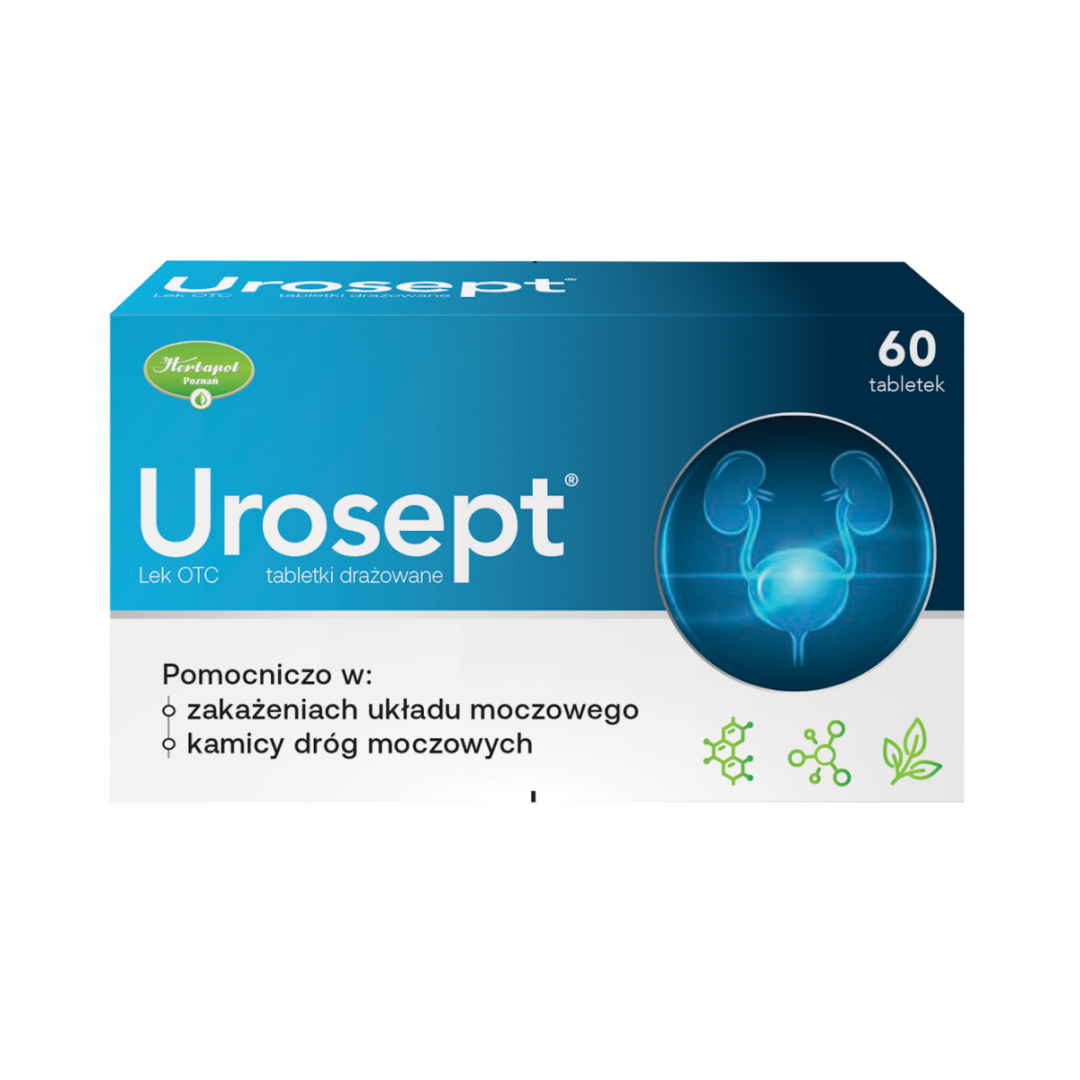
 Over-the-counter (OTC) medications
Medications for the urinary tract can be used as an adjunctive treatment in cases of discomfort associated with urination, frequent urination, or a sensation of urinary tract irritation. Problems of this type can have various causes—ranging from temporary weakness of the body and insufficient hydration to factors related to lifestyle or hygiene. In such cases, over-the-counter urinary tract medications available at pharmacies can provide relief, but their use should follow the recommended guidelines and be tailored to the individual’s specific situation. It’s important to remember that their role is to support the body, not to replace a medical consultation in cases of severe symptoms.
The urinary system is responsible for eliminating waste products from the body and maintaining the body’s water and electrolyte balance. It consists of the kidneys, ureters, bladder, and urethra. Proper functioning of this system is important for overall health and well-being. Dysfunction can manifest in various ways, including a burning sensation during urination, frequent urge to urinate, or discomfort in the lower abdomen. In such situations, it’s worth considering supporting the body through proper hydration and over-the-counter bladder medications that can help support urinary tract function.
Urinary tract problems can take various forms and vary in severity. The most commonly reported symptoms include a burning sensation during urination, frequent urination, a feeling of pressure on the bladder, or discomfort in the lower abdomen. These symptoms may occur periodically, such as when the body gets cold or becomes dehydrated, but in some people they tend to recur. In such situations, many people turn to over-the-counter urinary tract medications, which can provide relief in the early stages of the condition. However, it is important to remember that persistent symptoms require a more thorough diagnosis and consultation with a specialist.
Over-the-counter urinary tract medications are most often chosen at the first signs of discomfort or as a preventive measure for people prone to recurring problems. These products can be used as a supportive measure, particularly in temporary situations such as temperature changes, stress, or insufficient hydration, as well as for conditions such as cystitis. Over-the-counter medications are designed to support the body and help maintain proper urinary tract function.
However, it is important to remember that bladder medications are not a substitute for treatment in cases of infections requiring medical intervention. If symptoms worsen, persist for several days, or are accompanied by additional symptoms, it is necessary to consult a specialist. When used appropriately, bladder medication helps prevent unnecessary prolongation of symptoms.
Depending on their composition and intended use, urinary tract medications can support the body in cases of urinary tract-related ailments. These products vary in form and mechanism of action, so they should be selected carefully and tailored to individual needs. Among the available products, the following can be distinguished:
When choosing a medication for a bladder condition, your choice should take into account the nature of your symptoms and the information contained in the package insert provided by the manufacturer with each product.
Over-the-counter medications for cystitis often contain herbal ingredients that have been used for years in products designed for this purpose. Their inclusion stems from their traditional use in supporting the body’s excretory functions. Over-the-counter urinary tract medications often contain the following ingredients:
Each of these ingredients may have a different use, so it’s important to check the ingredients list of bladder medications and their intended use. For other conditions, it’s a good idea to use complementary treatments such as medications for hemorrhoids, liver medications, or medications for constipation.
Regardless of the form, bladder medication can be helpful in many situations, but there are cases in which it is necessary to consult a doctor. This applies primarily to situations where symptoms persist for a long time, worsen, or are accompanied by additional symptoms, such as fever or pain in the kidney area. In such cases, self-medication may not be sufficient. A doctor can help determine the cause of the problem and select the appropriate course of treatment.
If you experience discomfort when urinating, frequent urination, or recurrent cystitis, over-the-counter medications are just one of the possible ways to support your body. With these conditions, it’s important to stay properly hydrated. Drinking fluids regularly supports the natural cleansing processes of the urinary tract and can help ensure it functions comfortably. Daily habits, such as avoiding holding in urine and maintaining good hygiene, are equally important. Before reaching for an over-the-counter cystitis medication, keep the following in mind:
Such measures can support the proper functioning of the urinary tract and reduce the risk of developing health problems.
The choice of an appropriate urinary tract supplement should depend on the type of symptoms and their severity. It’s important to pay attention to the product’s ingredients, form, and intended use. Different products may be designed for different situations—ranging from relief at the first signs of symptoms to preventive treatments or solutions for conditions such as cystitis. Over-the-counter medications should always be used in accordance with the recommended dosage and duration of use. If in doubt, it may be helpful to consult a pharmacist, who can help you choose a product tailored to your individual needs. This approach allows for a better match between the product and your needs and enhances your comfort while using it.


